
Getting pulled over and arrested for a DUI in Philadelphia is one of the most disorienting experiences a person can go through. One moment you’re driving home, and the next you’re in the back of a police cruiser with your mind racing. The process that follows can feel overwhelming, especially if you’ve never been through the criminal justice system before.
This guide breaks down exactly what happens after a DUI arrest in Philadelphia step by step so you know what to expect and how to protect yourself.
Step 1: The Arrest and Processing
After a DUI arrest, you’ll be transported to a police district for processing. This involves fingerprinting, photographing, and entering your information into the system. Depending on your blood alcohol content (BAC), your criminal history, and the circumstances of the stop, you may be held overnight or released with a citation.
Pennsylvania uses a tiered DUI system. A general impairment charge applies to drivers with a BAC between 0.08% and 0.099%. High BAC applies from 0.10% to 0.159%, and highest BAC kicks in at 0.16% and above. The tier you fall into significantly affects potential penalties, which is why the details of your arrest matter enormously from the very beginning.
If you’re wondering what those first hours after an arrest actually look like, our guide on what actually happens in the first 48 hours after a Philadelphia arrest walks through the process in detail.
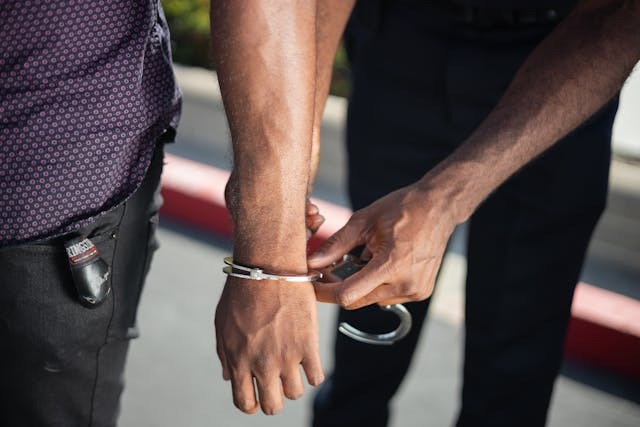
Step 2: Bail and Release
Most first-time DUI offenders in Philadelphia are released relatively quickly, sometimes within hours. However, if aggravating factors are present, such as a minor in the vehicle, an accident, or a very high BAC, you may need to post bail before being released.
Bail can be set by a bail commissioner or at a preliminary arraignment. The Pennsylvania Rules of Criminal Procedure govern how bail is determined, and factors like ties to the community, employment, and prior record all play a role.
Step 3: Preliminary Arraignment and Hearing
After your release, you’ll receive a date for a preliminary arraignment if one hasn’t already occurred, followed by a preliminary hearing. At the preliminary hearing, a magisterial district judge reviews the evidence to determine whether there’s enough to send the case to Common Pleas Court.
This is not a trial, it’s a threshold proceeding. But it’s still an important moment. A skilled DUI attorney can challenge the evidence at this stage, including whether the traffic stop was lawful, whether field sobriety tests were administered correctly, and whether the breathalyzer or blood test results are reliable.
Step 4: Formal Arraignment in Common Pleas Court
If the case moves forward, you’ll be formally arraigned in the Philadelphia Court of Common Pleas. This is where you enter an official plea. In DUI cases, this is rarely the end of anything, it’s the beginning of the pretrial process, during which your attorney can file motions, negotiate with the prosecution, or prepare for trial.
Step 5: ARD — Accelerated Rehabilitative Disposition
Pennsylvania offers a pretrial diversion program called ARD (Accelerated Rehabilitative Disposition) for first-time DUI offenders with no prior criminal record. If accepted into the program, you complete requirements like community service, fines, a safe driving course, and a license suspension period. Successfully completing ARD results in the charges being dismissed and the arrest expunged from your record.
The Pennsylvania DUI Association and other advocacy groups have long recognized ARD as a second-chance option for people who’ve made a one-time mistake. Not everyone qualifies, those with high BAC readings, prior offenses, or accidents may be excluded — so getting into ARD often depends on having experienced legal representation advocating on your behalf early in the process.

Step 6: License Suspension
A DUI conviction in Pennsylvania triggers an automatic license suspension through PennDOT, separate from any court-ordered penalties. General impairment convictions carry a 12-month suspension for first offenses, while high and highest BAC tiers carry longer suspensions.
Pennsylvania also has an implied consent law, meaning that if you refuse a breathalyzer or blood test, PennDOT can suspend your license for 12 months just for the refusal — even if the DUI charges are later dropped. According to the Pennsylvania Department of Transportation, you typically have 30 days to request a hearing to challenge a PennDOT suspension.
Step 7: Sentencing
If you’re convicted or plead guilty, sentencing in Pennsylvania DUI cases follows a grid based on BAC tier and the number of prior DUI offenses. For a first-offense general impairment conviction, penalties can include up to six months of probation, a $300 fine, and mandatory alcohol highway safety school. Higher BAC tiers and repeat offenses can mean mandatory jail time, ignition interlock devices, and steeper fines.
The stakes get significantly higher when other charges are layered on. DUI arrests sometimes involve related charges like drug possession or even weapons offenses. If that’s your situation, it’s worth understanding how those charges work, Philadelphia drug crimes charges and Philadelphia gun crimes charges each carry their own legal complexities that require separate attention.
Step 8: Life After a DUI Case
A DUI on your record can affect your job, your professional licenses, your car insurance, and your ability to rent an apartment. That’s why how you handle every step of this process matters from the moment of the arrest to the final resolution of the case.
Some people are surprised to learn how much flexibility exists in the system when you have the right legal strategy. Whether it’s suppressing an unlawful traffic stop, challenging faulty breathalyzer calibration, or securing ARD eligibility, there are often more options available than people assume. That’s also true for related cases such as Philadelphia retail theft charges where the outcome often hinges on early legal intervention.
Talk to a Philadelphia DUI Lawyer Before You Do Anything Else
A DUI charge is serious, but it’s not the end of the road. What you do in the days and weeks following your arrest can make a significant difference in how your case turns out.
The team at Latta Law represents people facing DUI charges throughout Philadelphia and surrounding counties. They understand how the local courts work, how prosecutors approach these cases, and, critically, how to build a defense that actually holds up.
If you or someone you know has been arrested for a DUI in Philadelphia, don’t wait. Contact Latta Law today to discuss your case and your options.